
Visiting a new country for the first time can be scary and confusing. What do I do? Is it safe? Do I need to tip? How do I get around? What do I need to bring?
Here’s what you need to know about being in China, once you make it in.
Safety Tips
- Water
This one most people already know, but if you don’t, do not drink the tap water. It is not safe for anyone to drink. There are all sorts of things that could be in the water (diseases and toxic metals) and not all of it can be removed by boiling.
Everyone drinks bottled water. It’s very cheap, outside of a tourist attraction. Bottled water is sold in every convenience store and corner shop. Most hotels also have at least 2 bottles of water in every room for free and tour groups often also provide some water.
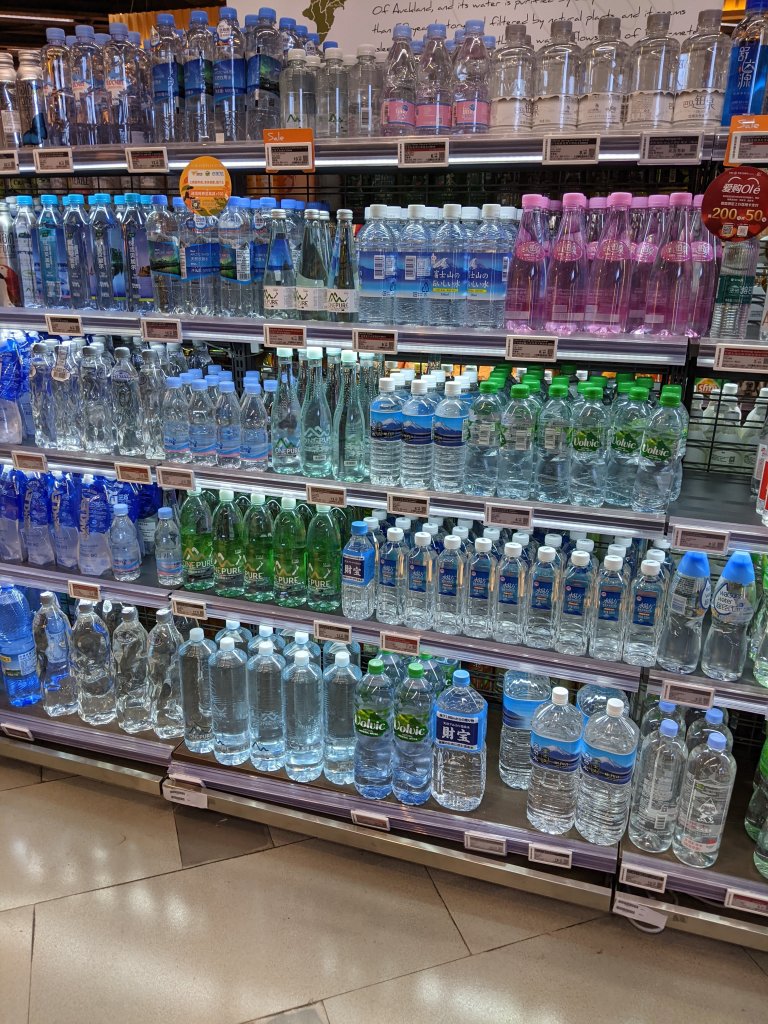
Most advice says to also avoid anything that could have or have been washed in water. So, no ice, no unpeeled fruits or vegetables, and beware of tea. However, I’ve never had too many problems with these things, but if you have a sensitive stomach, please be cautious.
- Traffic
‘Honking means I go first‘ is the biggest unwritten rule of traffic in China. Whether it’s a car, an e-bike, or a regular bicycle, whichever one is honking or ringing a bell at you does not want to stop. It will do everything in its power to not stop, so get out of the way, if you don’t want to be hit.
Scooters or e-bikes are the worst offenders. Watch out!
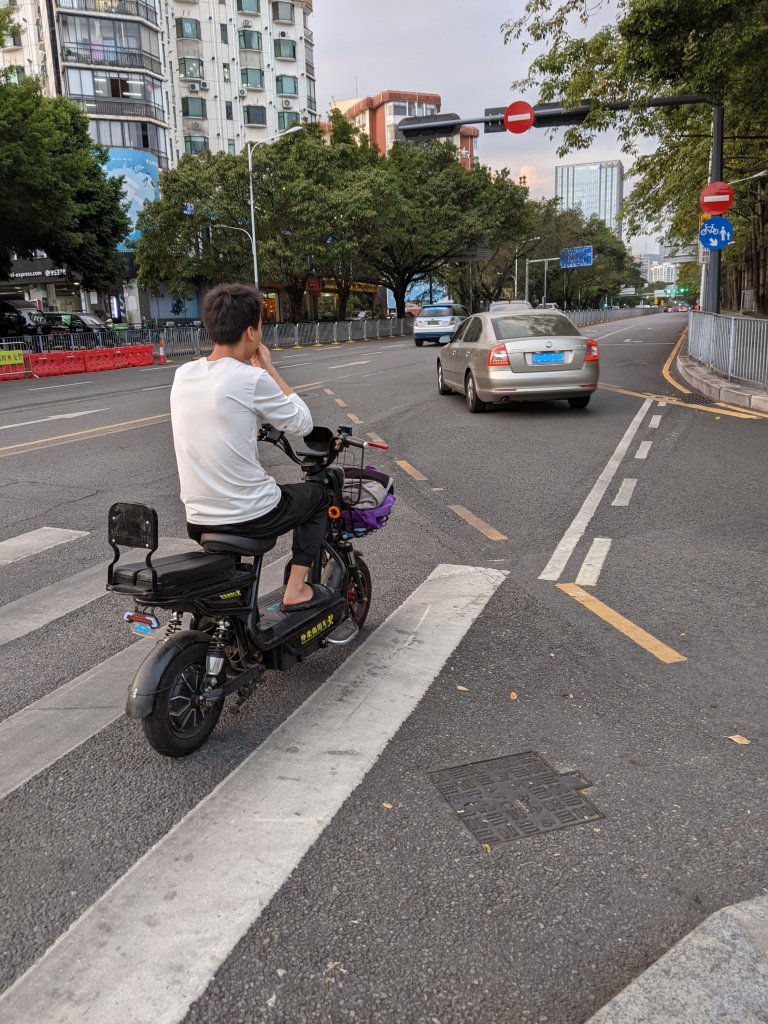
Cars won’t slow down unless they absolutely have to, which, if you’re like me, is an annoying and confusing change when crossing the street. It is scary to just walk out into the middle of the street, even at a crosswalk, at night and the cars are still coming full speed. Until you get used to it, wait for a local to go and follow them.
Cars often park on sidewalks. And, to get there, they have to drive on the sidewalk. Be careful. Nowhere is safe from the traffic in China.
Don’t count on seeing a vehicle’s headlights, either. A lot of times people don’t put on their headlights if they can see where they’re going. They don’t consider that the headlights also help you see them.
- Night/Crime/Street Harassment
There are some bad neighborhoods (probably) but tourists usually don’t find them as there’s nothing there for them. I’ve never seen one, but I haven’t gone looking for one, either.
China is a very safe county, even for a woman alone at night. I have never had any problems walking alone at night as a woman. I have always felt very safe.
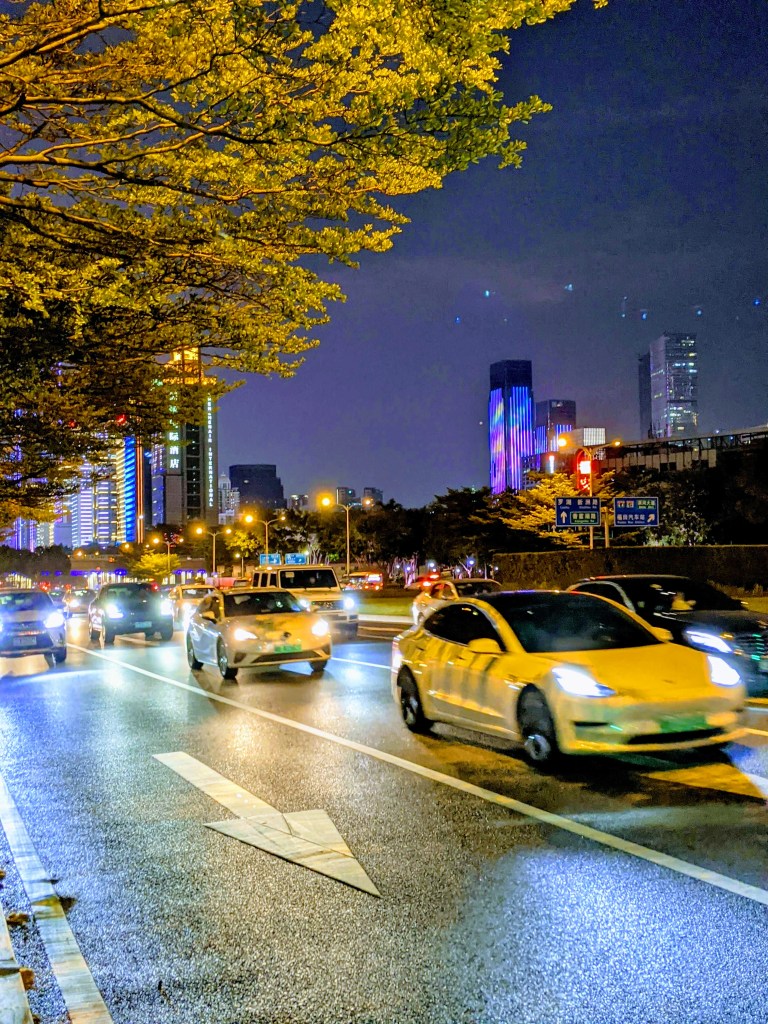
No one has yelled at me while walking down the street. Occasionally, you’ll see a pushy street vendor or someone who wants to practice their English skills. I have been hit on a few times but they do take no for an answer and walking away works. But, it’s nowhere near as bad as in America or Europe.
Packing Tips
- Toiletries
Hotels always have those little bottles of toiletries. But not every hotel has the same things. Chinese hotels often have toothbrushes and little things of toothpaste. So, forgetting your toothbrush isn’t going to be the end of the world. I just don’t recommend leaving it at home on purpose, not every hotel will have one.
Conditioner, on the other hand, is a packing necessity. I haven’t seen any in any of the hotels I’ve stayed in.
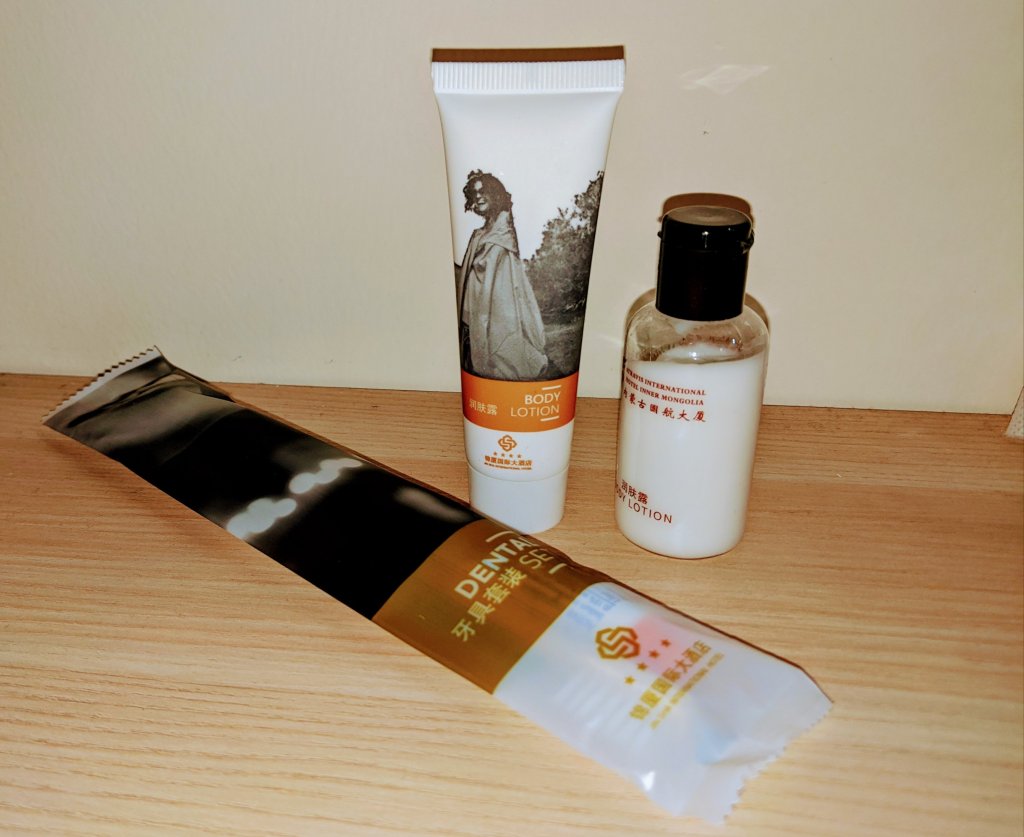
Some other useful things to bring are some toilet paper or a pack of tissues to use as toilet paper and hand sanitizer. Many public bathrooms are disgusting, if not worse. They never have any toilet paper or soap. Hygienic these places are not.
Deodorant is really hard to find, as most of the locals don’t use it. Sunscreen, while easier to find as it’s very common, but a lot of the local varieties can have some skin whitening chemicals in it.
- Money
Credit cards are not accepted in most places. Ever since China switched to digital payments a few years ago, credit cards just aren’t as convenient. However, as a tourist, it is very difficult, or impossible, to use these same digital payments.
Before boarding your flight, make sure you grab some yuan. It will make your life so much easier. And let your bank know you’re traveling so you can get more cash with your ATM card.
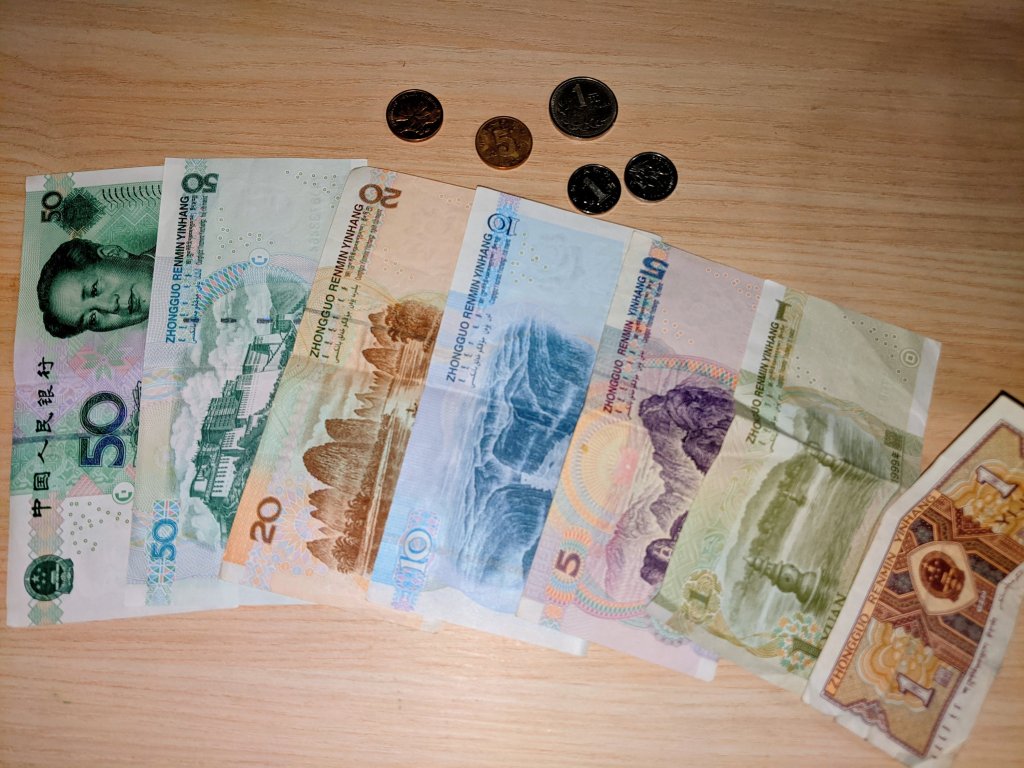
If you have a Chinese bank account, or WeChat or Alipay suddenly become foreigner-friendly like they keep promising, you can sign up for digital payments and pay like the locals. It makes everything easy.
- Phrase Book/Translation App
Most people learned English in school, however, most can’t speak or understand it anymore. And forget about talking to anyone if you speak anything else. Chinese people assume that all foreigners speak English. If they know any, they will try to talk to you in it.
Reading, speaking, and understanding Chinese is challenging to say the least. If you don’t have the inclination or time to learn, a good phrasebook or translation app, such as Google Translate with the language downloaded for offline use, will be your best friend.
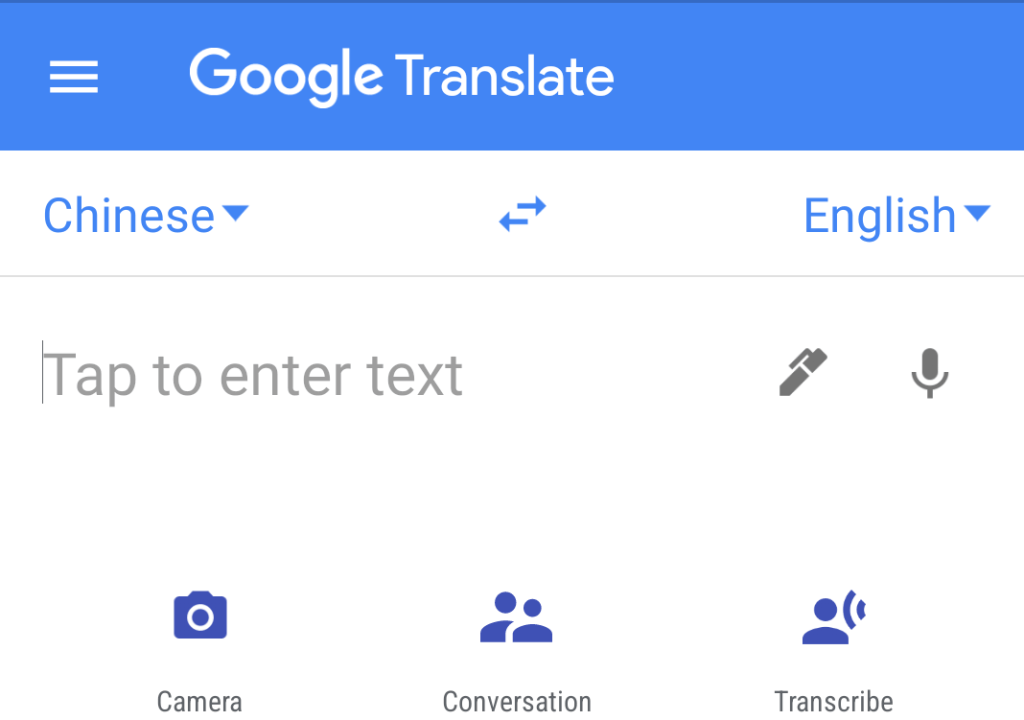
WeChat is also a great app to use, if you can set it up (often you need a friend with it already to verify you), as it does translation and scans most QR codes in China.
If you do get a book, I recommend something with Chinese characters in it, not so you can learn to read, but so you can show a local and they can read and understand what you want/need. Pointing at things is a time-tested communication method.
Travel Tips
- Restaurants
When eating out somewhere, the servers may or may not seat you. If the place is not busy, you can just pick your own place to sit. As long as the staff sees you enter and sit, it will be fine. They’ll bring you a menu, if they have them.
Many places have a QR code on the table that you can use to order and pay with, if you have WeChat Pay. The apps are usually all in Chinese, but some have a little English. If you don’t know how to use it, you can try to translate it or just ask the staff, they’ll help, especially if you just look lost and confused. Most people are very understanding.
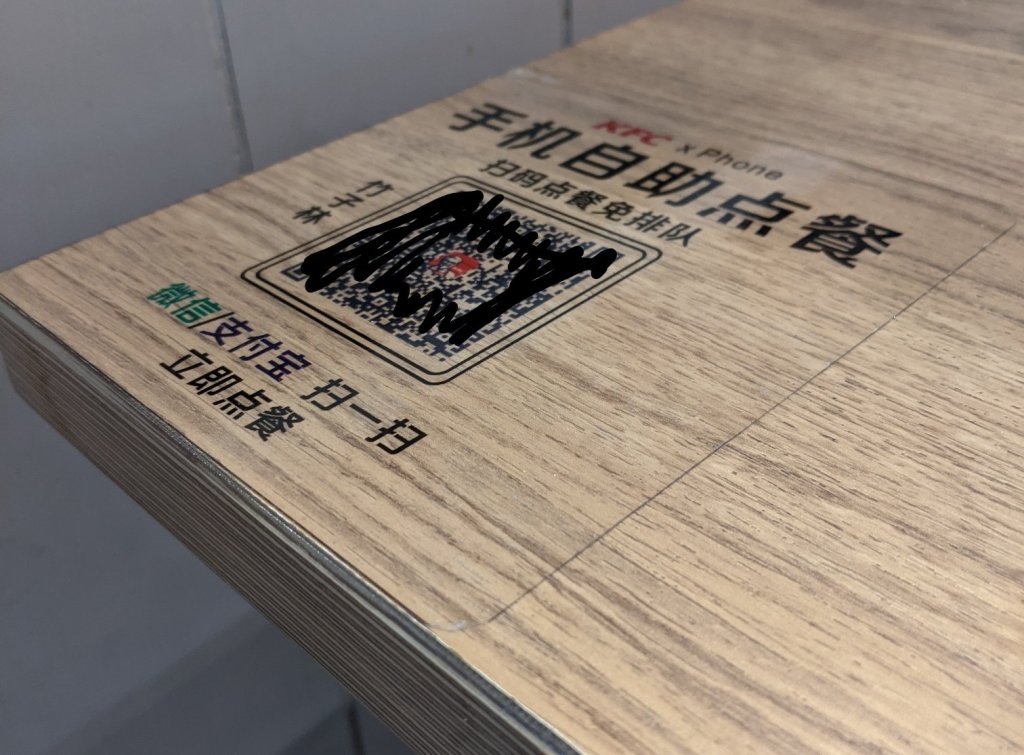
However, you’ll have to flag down the waitstaff to get that help, or to order, get the bill, or anything else you might need. But it doesn’t matter who you flag down, anyone that works there should be able to help or will go get someone who will.
- Tipping
Tipping is not common in China. The only people I have tipped here are the tour guides and private drivers (not cabs).
If paying someone with cash, I may refuse the change, especially if it’s only 10 yuan cents, but it’s not usually considered a tip. It’s more to cut down on the number of coins I wind up with.
- Bathrooms
There are lots of free public bathrooms, especially around tourist attractions or shopping areas. If they have a dedicated cleaner, they’re usually quite nice, but public bathrooms normally don’t.
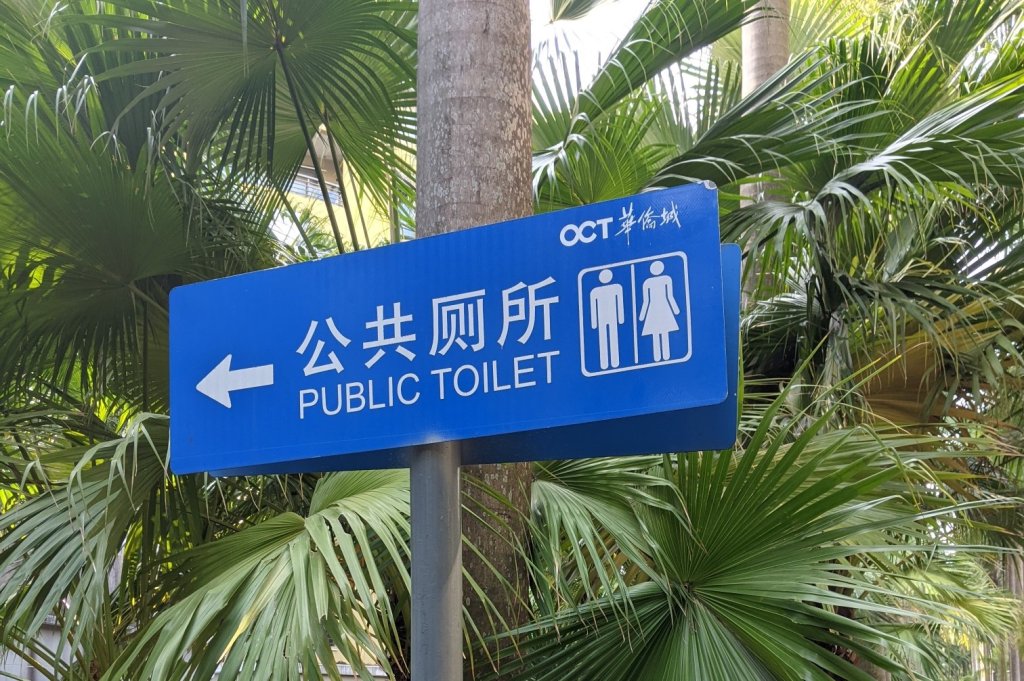
Public bathrooms are disgusting. They also don’t usually stock toilet paper, soap, or paper towels. You’ll want to have your own supply of toilet paper, or tissues to use, and hand sanitizer. You also don’t flush toilet paper in China, which leads to a horrific smell in most bathrooms.
Squat toilets are very popular. Some places will have sit toilets if there are a lot of foreigners or sometimes as a handicap toilet. However, don’t count on always being able to sit.
- Lines
Waiting in line is not a concept most Chinese are familiar with. People will always try to jump the line, if they can. No one says anything. It’s almost expected.
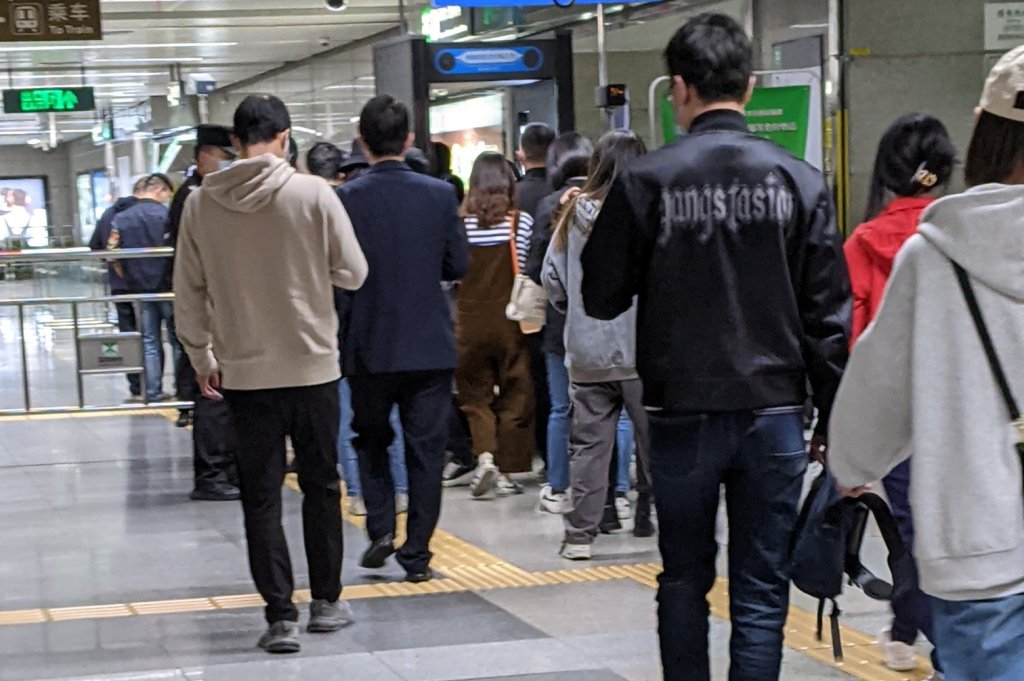
They also don’t wait for people to get off something, like an elevator or the metro, before getting on. Shoving is normal and often needed to get where you’re going. There also isn’t a commonly used phrase to mean “excuse me” to use when shoving through a crowd.
- Other
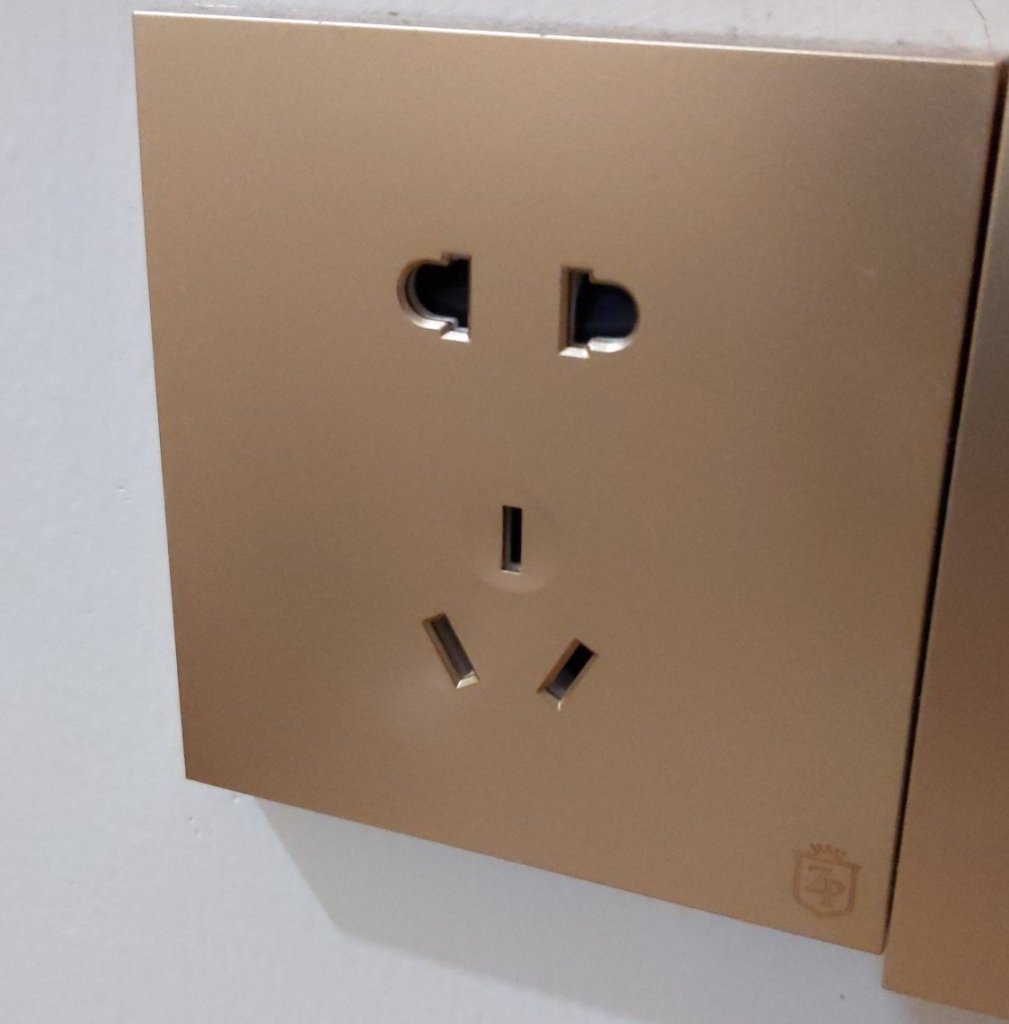
Chinese outlets can usually accept most plugs, but they are all 220 volts. So, if your electronics can’t handle that, you’ll need to bring something to convert the electricity, but otherwise, you don’t really need to bring anything. Although, I’d recommend bringing a plug adaptor just in case, if you use something weird (England, I’m looking at you).
A couple other points that I’ve noticed: Beds are usually rocks and pillows are often flat. If you’re just coming for a few weeks on vacation, it’s probably not that big of a deal, just don’t try to jump on the bed.
But, if you’re moving, I’d recommend bringing your own pillow. I haven’t been able to find a good pillow here that doesn’t go flat eventually. Mattress toppers are easy enough to buy when you get here.
But the number one, most important piece of advice I can give you is, “When in doubt, copy the locals”.
And WeChat is your friend.


 My TEFL Adventure
Salient information here! I knew about the toilets but not about the pervsiveness of Wechat for everything! So different from Japan – where lining up is common.
LikeLike
I’m pretty sure lining up is something everyone gets taught but fails in school. No one really pays attention to a line.
I can’t do anything without WeChat. It is the answer to just about every question or problem I’ve had in China.
I’d love to see Japan. I’ve heard amazing things.
LikeLiked by 1 person
Japan is amazing. I imagine it is a kinder, smaller, more polite and aesthetic version of China. But as I have not been to China, I should reserve that judgement. There are many similarities but also differences. The mountainous areas of Japan are very different to the mega cities.
LikeLiked by 1 person
I can’t wait to go. You make it sound wonderful!
LikeLiked by 1 person
I can recommend some places to see if you head over that way.
LikeLiked by 1 person
I’ll take you up on that when I finally get the chance to go! Thanks!
LikeLiked by 1 person
Anytime!
LikeLiked by 1 person