
Teaching Terms
Other Terms
Chinese Teacher
A Chinese speaker who helps in an English class. They may be teachers themselves, but their main job, at least where I work, is to assist the foreign teacher, help wrangle the kids, enforce rules and discipline, and explain or translate instructions or words.
Demo class
A demo class is a class that tries to get the students to sign up for a full class. They are meant to be a fun introduction to the level. The class does follow the pattern for a typical lesson, normally a combination of vocabulary, speaking, reading, and writing.
They are also useful to check if the children are in the right level, the material isn’t too challenging or easy for them. And they can tell if the teacher is right for the class. The students in a class might be really rowdy and the teacher could be quiet or timid, or vice versa. Neither would be a good fit and no fun for anyone.
International School or International Kindergarten
A school or kindergarten in China that teaches (provides instruction) in both English and Chinese. Different schools provide different amounts of instruction in each language and the children’s language skills will differ accordingly.
International schools are generally considered to be better than regular public schools in China. However, I don’t know if it’s because they schools are actually better or if simply having English instruction gives them the illusion of superiority.
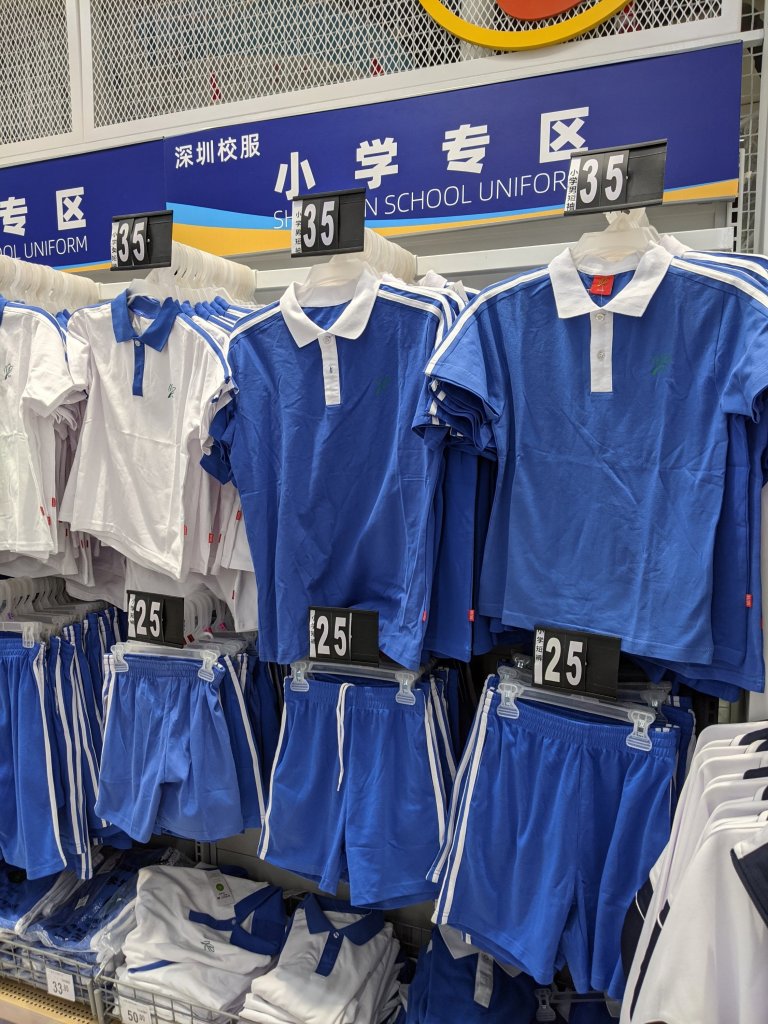
The students all wear a uniform to school, but the uniforms can differ greatly based on the school and how expensive it is.
Make Up Class
If a student misses a class, they can make up the material by coming in on a different day or time. They may or may not be able to have the make up with their normal teacher, depending on the teacher’s schedule.
The class is usually only an hour, instead of the usual hour and a half. Often there is no Chinese teacher in the classroom.
Public Schools
Usually, any school that is not an International School is called a Public School. All students wear a uniform, differing only slightly by school.
There might be private schools that are not International Schools but they are not common and I have yet to have any experience with any.
Summer/Winter Camp
Summer camp, or winter camp, is what a training center calls the classes they teach over the summer and winter school breaks.
Often, these are short, special classes that focus more on a specific topic or skill than the normal classes. For example, my training center offers some reading, writing, phonics, and science/STEM classes. But, the regular classes can also be taught, depending on how many students, or their parents, sign up for which classes.
Also, it is common to offer a destination class, when there isn’t a pandemic, to popular tourist sites both in and out of the country. In years past, the training center took kids to England and around China.
TEFL
TEFL stands for “teaching English as a foreign language”. TESOL, or “teaching English to speakers of other languages”, is the same thing. The terms can be used interchangeably.
It is used to refer to someone that, usually, teaches English in a country where the native language is not English. As English is being taught as a foreign language, classes focus on speaking, vocabulary, reading, and writing, instead of reading and analyzing texts and writing papers, like many of my school English classes.
Training Center
A Training Center is a type of supplementary school that is open when students are out of their regular school. There are many English training centers in China. The centers can focus on different things depending on the needs of their students and the desires of the parents. However, speaking, reading and writing are common.
Apps
See my post on apps to use in China. Apps discussed include WeChat, Alipay, Didi, and VPNs and the Great Firewall of China.
Health/Green Code
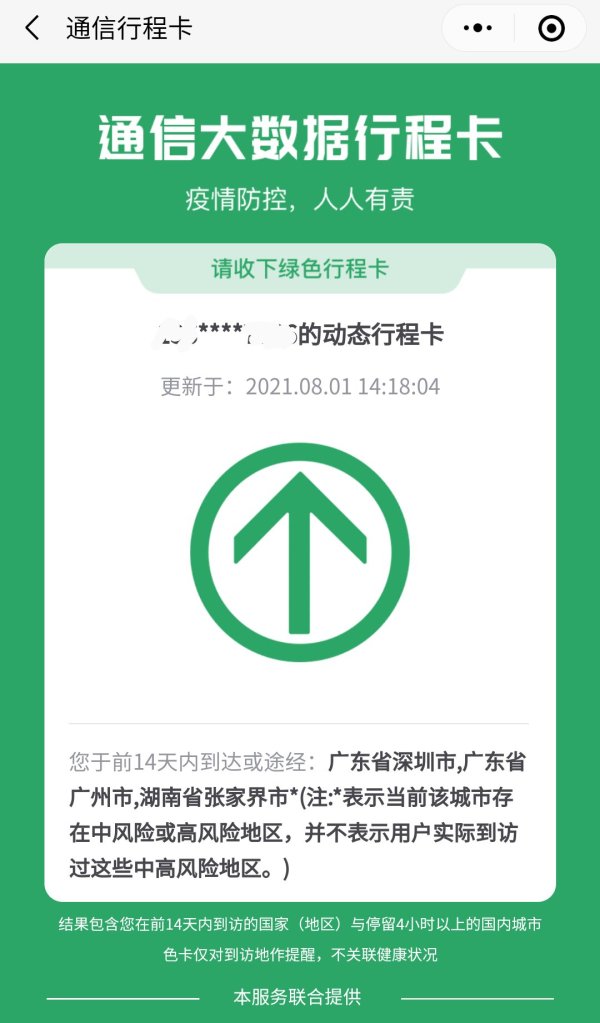
Provincial governments created their own apps, or WeChat mini programs, to help manage the pandemic by giving everyone a green, yellow, or red code based on if they have had any risk or exposure to the virus. However, most people get a green code and neve lose it, unless they actually get sick.
Travel code 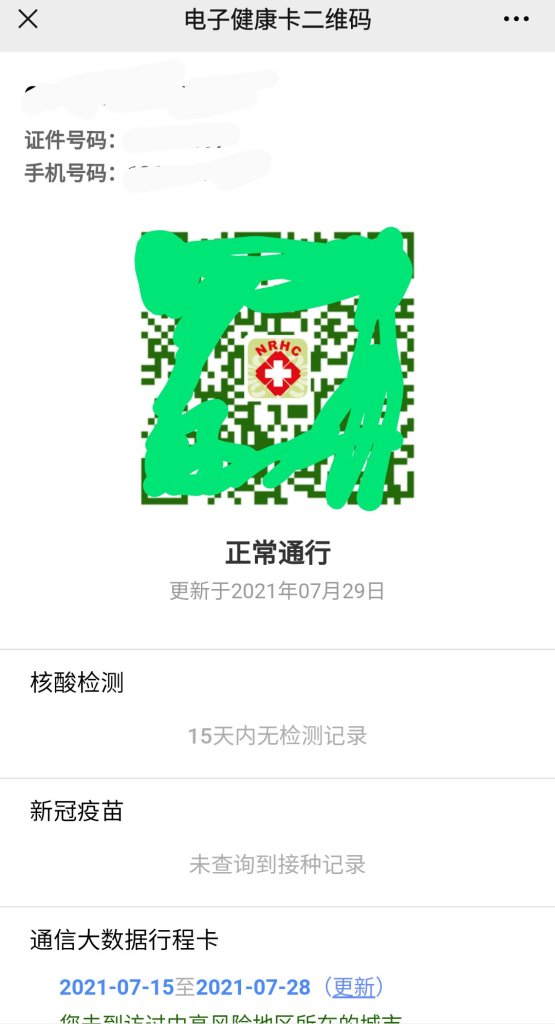
Zhangjiajie code 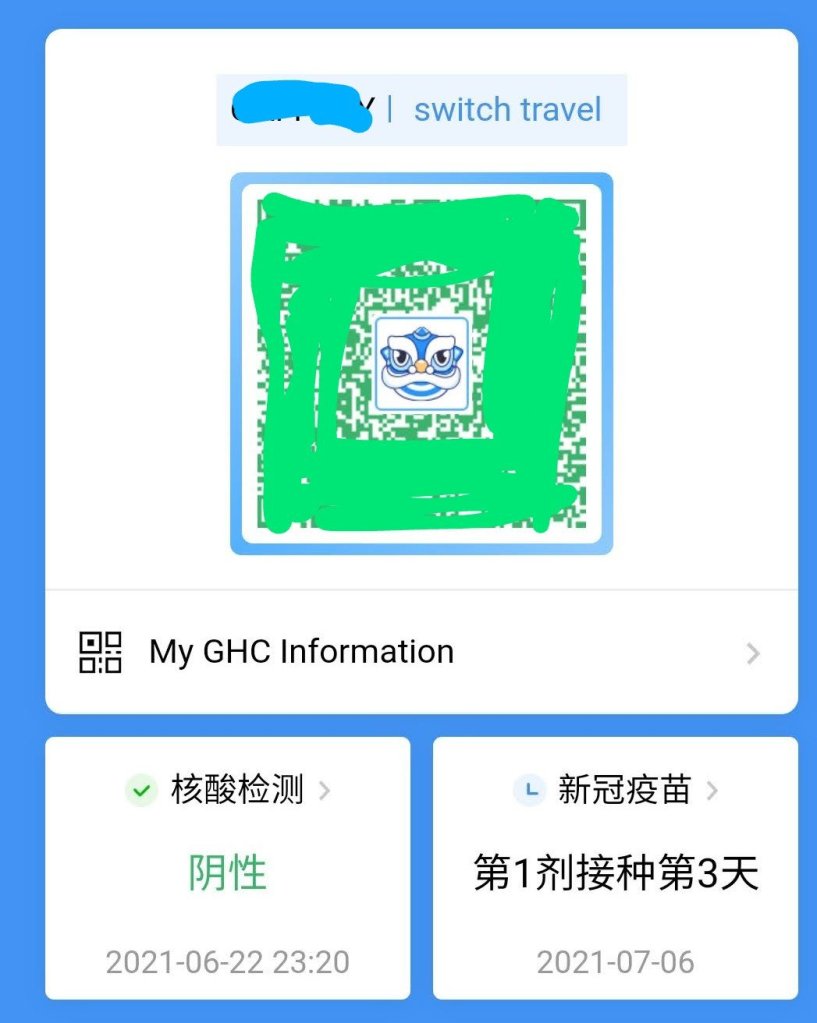
Shenzhen/Guangdong code
If you don’t see the term you were looking for or you still have questions, please let me know.

 My TEFL Adventure