

If you live in China, you quickly realize that you can’t live without your phone. It does everything. It’s your wallet, metro card, navigation, translator, and proof of health (green QR code getter). Losing your phone is the worst thing that could happen in China.
But for a normal phone to do all of this, it needs apps. Unfortunately, not all of the apps required to survive speak English.
Here are some that I’ve found most useful or necessary.
Useful apps
WeChat is China’s attempt at a social media network, chat program, and wallet, all rolled up into one.
If you are going to China, you need this app. I wouldn’t have been able to fill out the forms and get the QR codes I needed to get in the country without this app.
It is also a great translator. You can become “friends” with someone and they can type in Chinese, WeChat can translate, and you can write back in English for WeChat to translate for them. This is how I usually talk with my apartment. I also used it to check into my hotel in Shanghai for my unexpected vacation.
A good rule of thumb here, if you’re presented with a QR code, scan it with WeChat. It may only have Chinese, but WeChat can help you translate it.
WeChat Pay
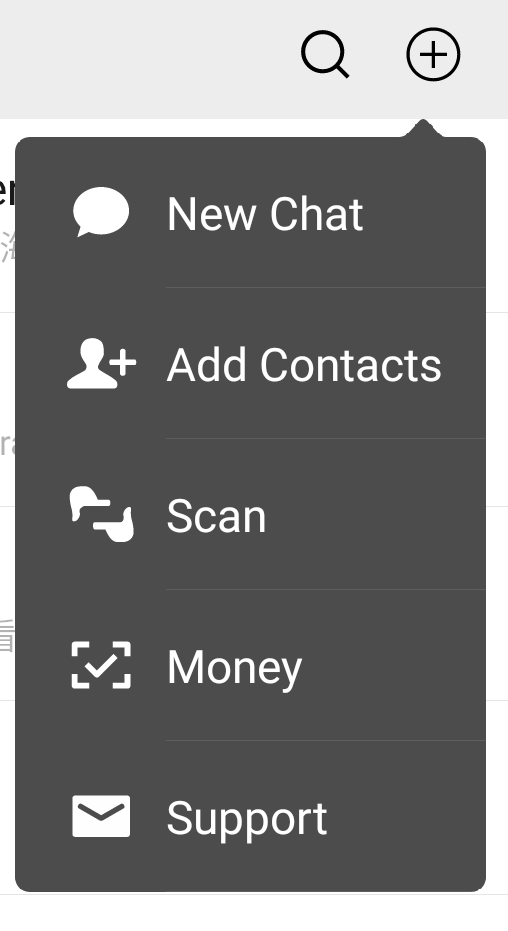
WeChat Pay, and Alipay, is the preferred payment method for all of China. WeChat says that it allows foreigners to add their credit cards without having to add a Chinese bank account first, but it wouldn’t let me. I had to wait until I got my bank account before I could use it. I was able to add my US credit card, but I haven’t used it, just my Chinese account.
You can also transfer money to other people, or have money transferred to you. You can then use this money, called your “balance” to pay for things, or transfer it to your bank account.
Mini Programs
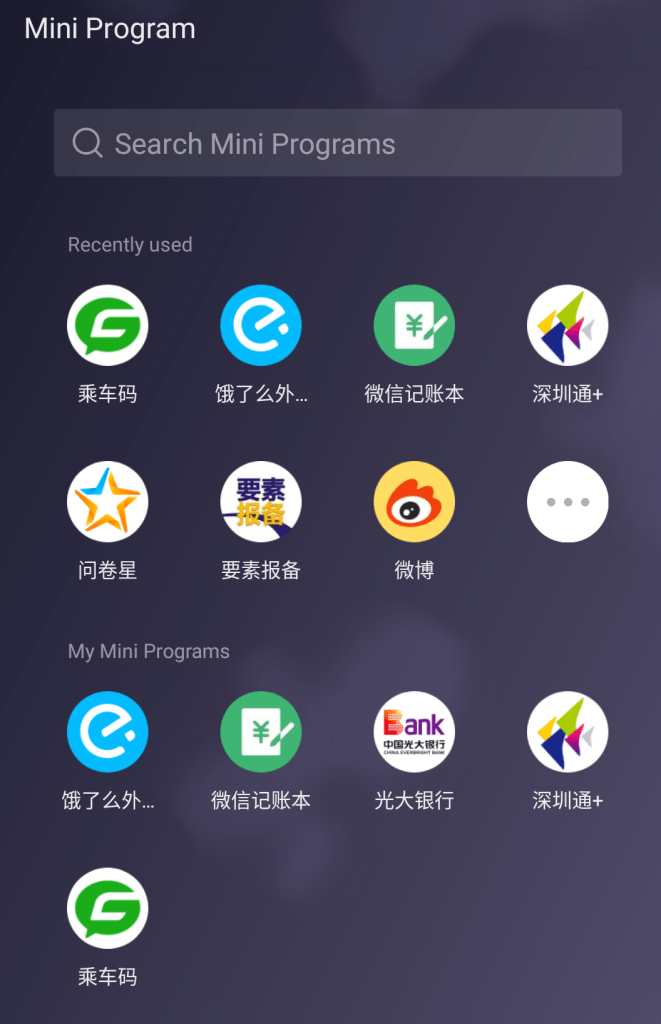
WeChat has mini-programs, little apps that live inside WeChat that do anything and everything. I have or have used mini-programs as my Shenzhen metro ticket, to order delivery food, to get an appointment for the COVID vaccine, to access my health QR code, and to order from my table in a restaurant*.
Mini programs are a large part of what makes WeChat so useful and so necessary for life in China. You can also pin the mini-programs you use often so you don’t have to keep searching for them or looking through a list.
*When ordering in a restaurant via your table’s QR code, you may have to follow the restaurant, then scan the code again to get the menu. Also, you will need to have WeChat Pay/Alipay working as you will have to pay for the food when you’re ordering.
Alipay
Alipay is similar to WeChat but without most of the social functions and a lot of mini-programs.
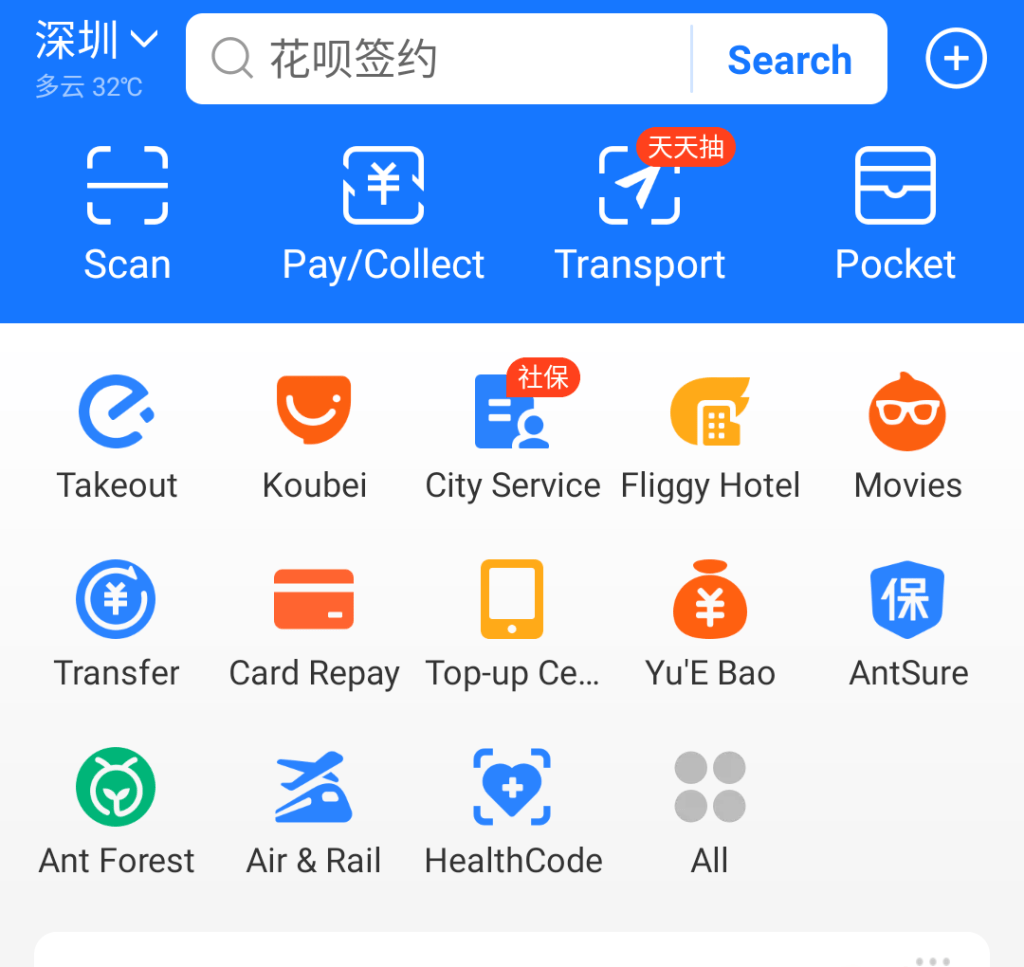
It is supposed to be more foreigner-friendly than WeChat Pay, but, as with WeChat, I was unable to set it up without a Chinese bank account, no matter how much the internet reassured me that I would be able to.
WeChat is more popular than Alipay but, if you’re just coming for a vacation, assuming the pandemic ever ends, get both apps and try to set up the payment functions before you leave, if possible.
Both apps are accepted everywhere for payments, credit cards are not.
MetroMan
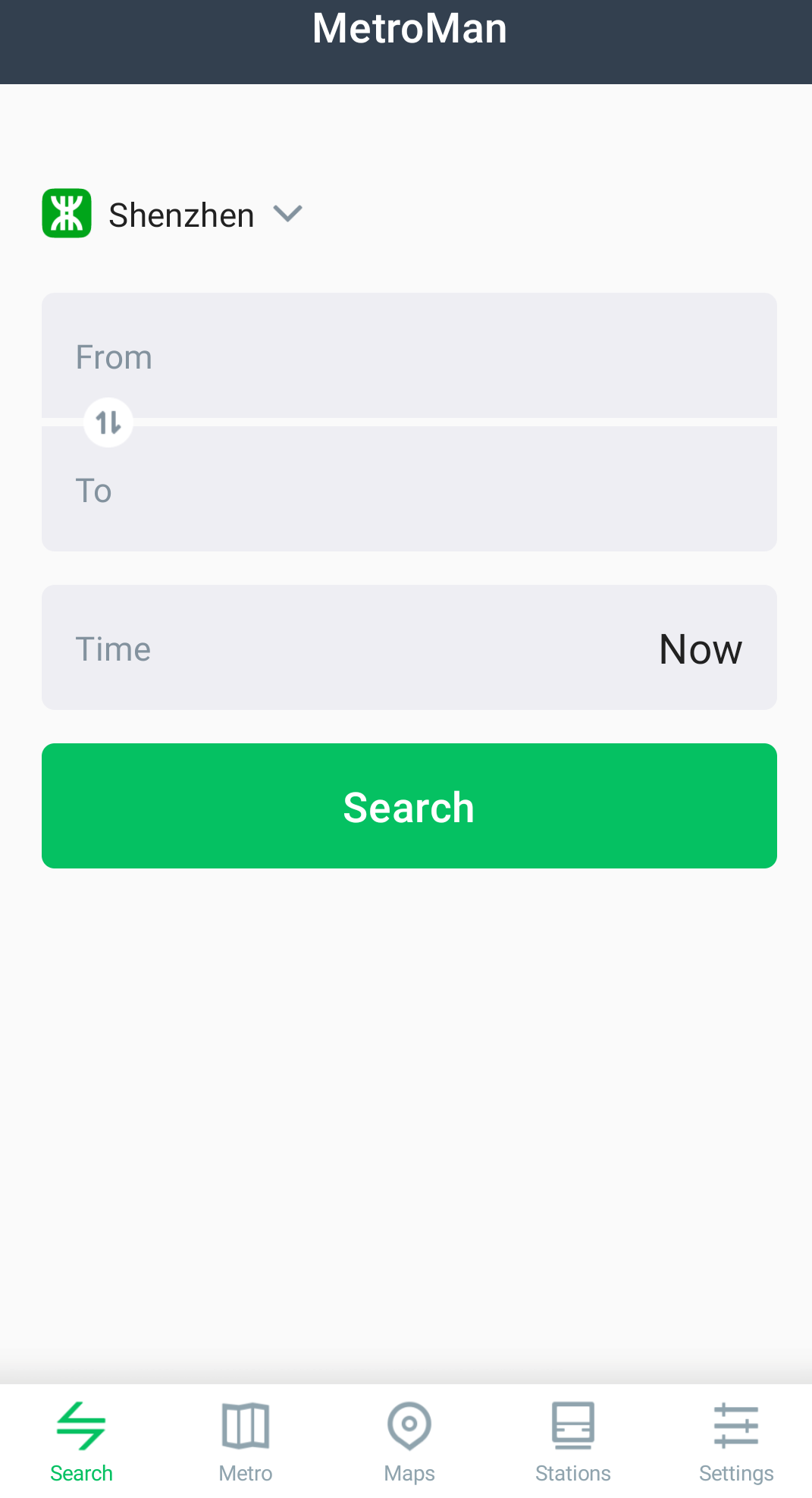
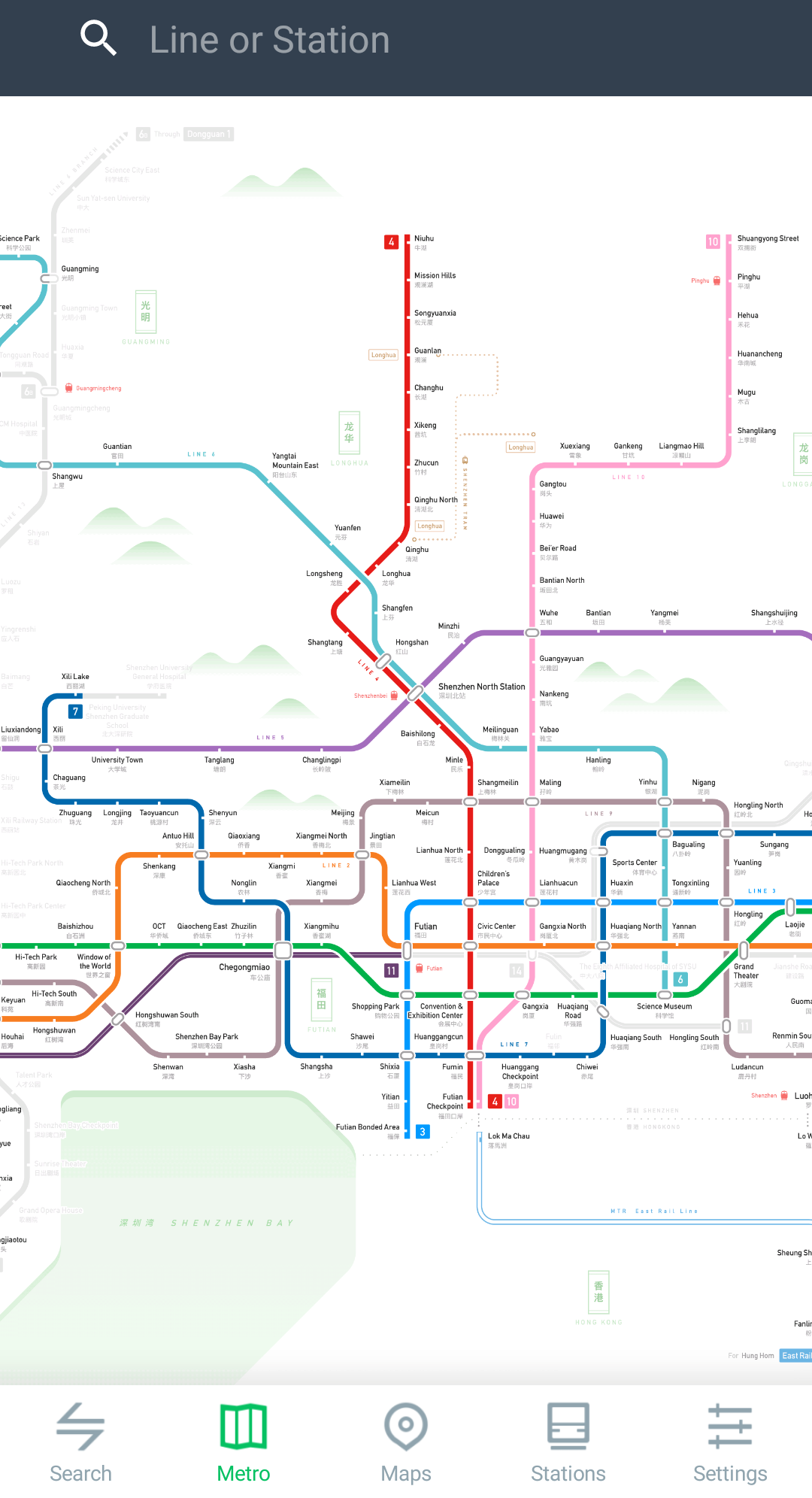
If you are even thinking of maybe taking a metro, or subway, while in China, get this app.
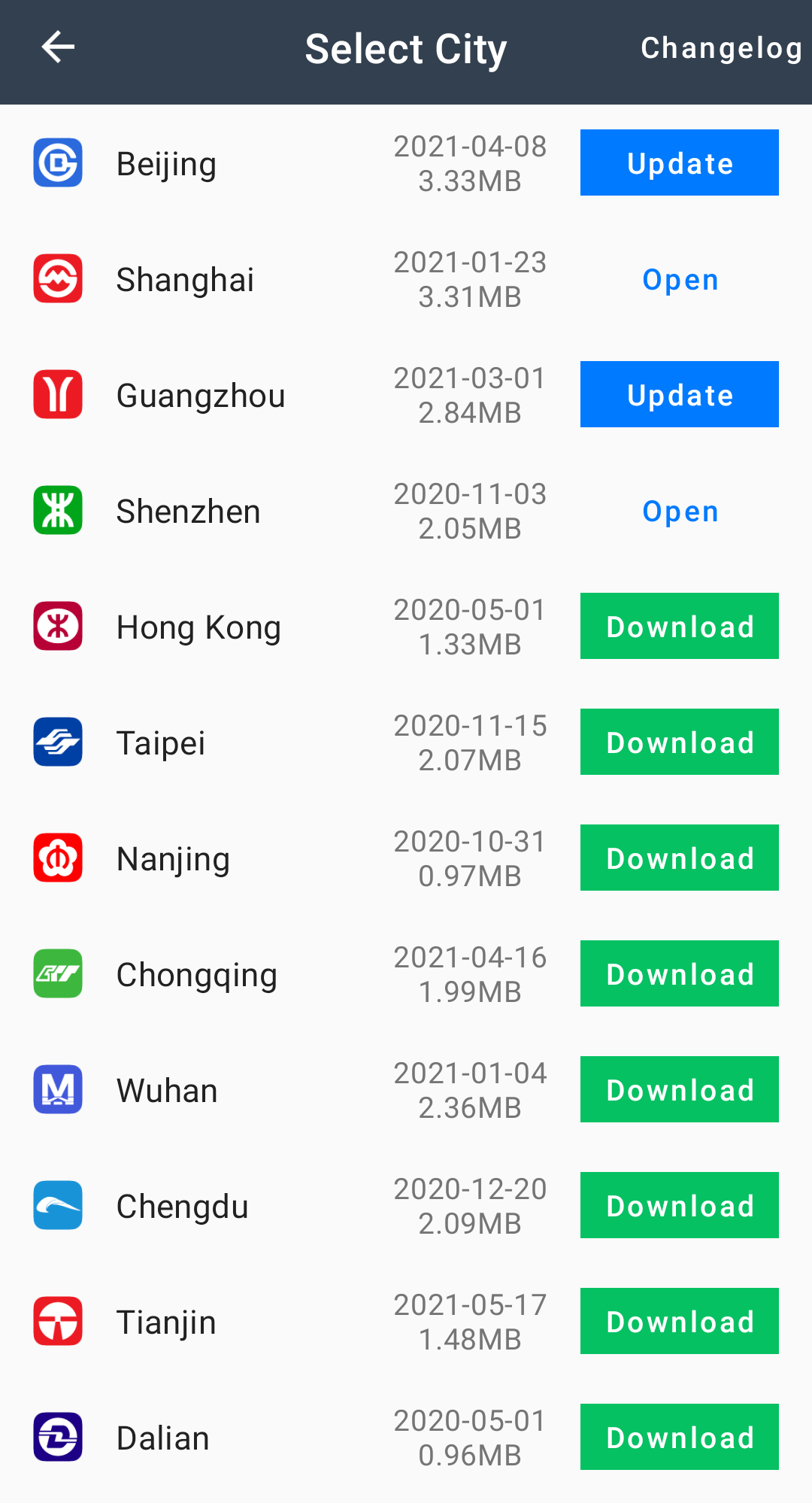
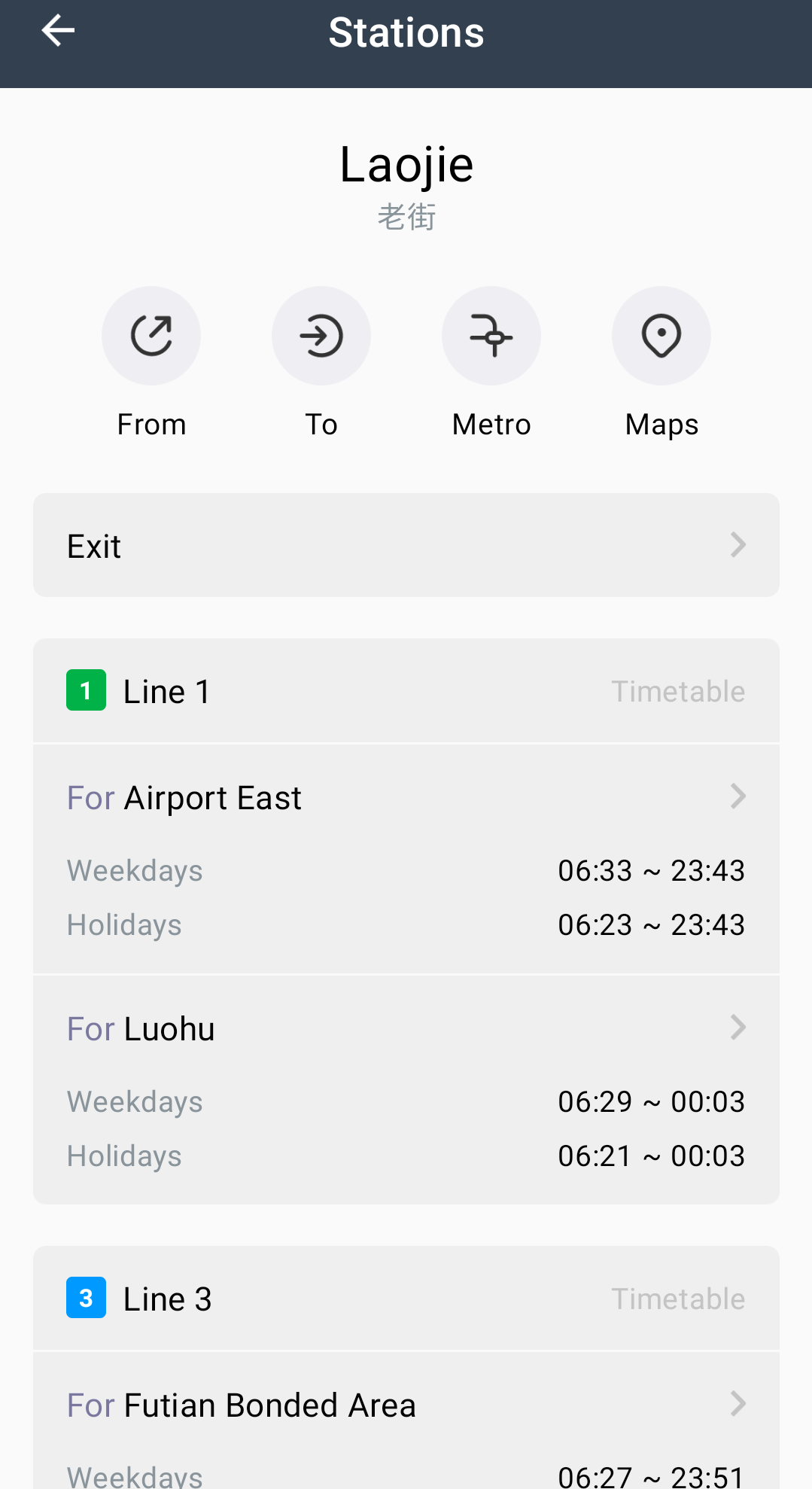
It can help you navigate from one station to another, see a map of the whole metro system, and get information on individual stations. It also has maps for all the major metro systems in China.
I have used this app to get around Shanghai and Shenzhen, so far. And I’m using it to help plan my summer vacation and will use it during the vacation, if I decide to take the metro in one of the cities I’m visiting as they all have a downloadable map.
Didi/Meituan
I had planned on talking about Didi, China’s answer to Uber, but with China’s recent crackdown on the app and banning it from just about everything, there really isn’t a point to it, at least not right now.
Eventually, China will forgive Didi for having an IPO in a foreign stock market, or, the official line, “collecting more personal information than it really needs” (It’s a tech company, which one doesn’t collect all the personal information it can get its hands on? Really?).
Once all is forgiven, Didi is a good ride-hailing app that works all over China. And it had English!
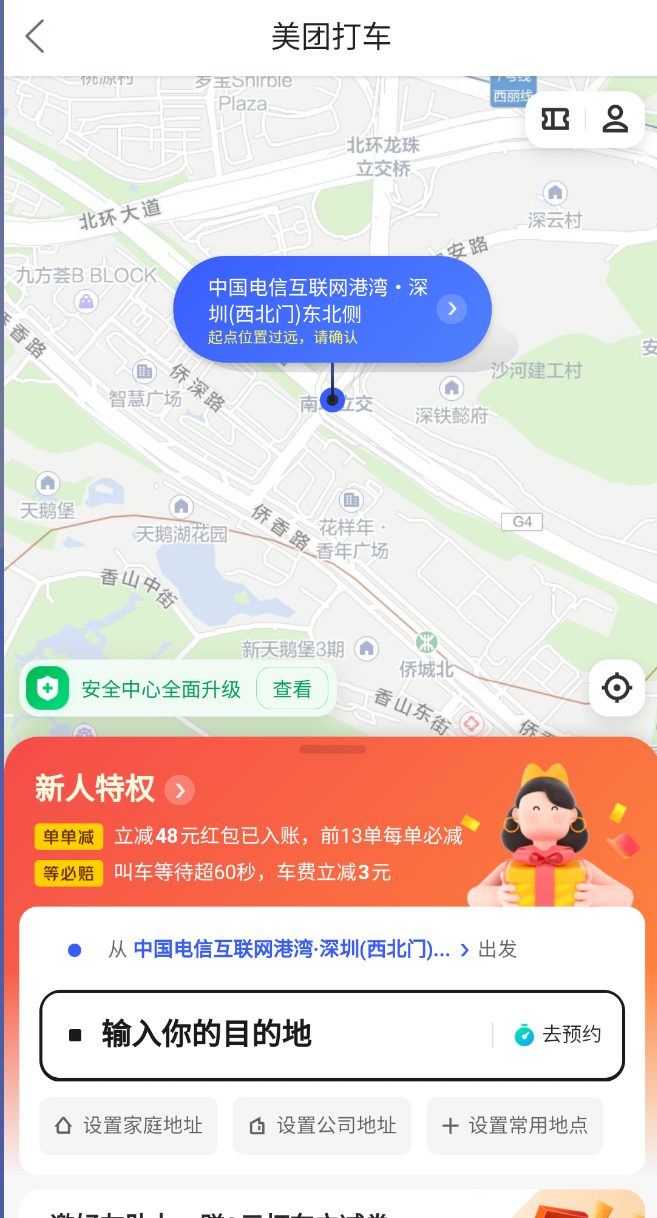
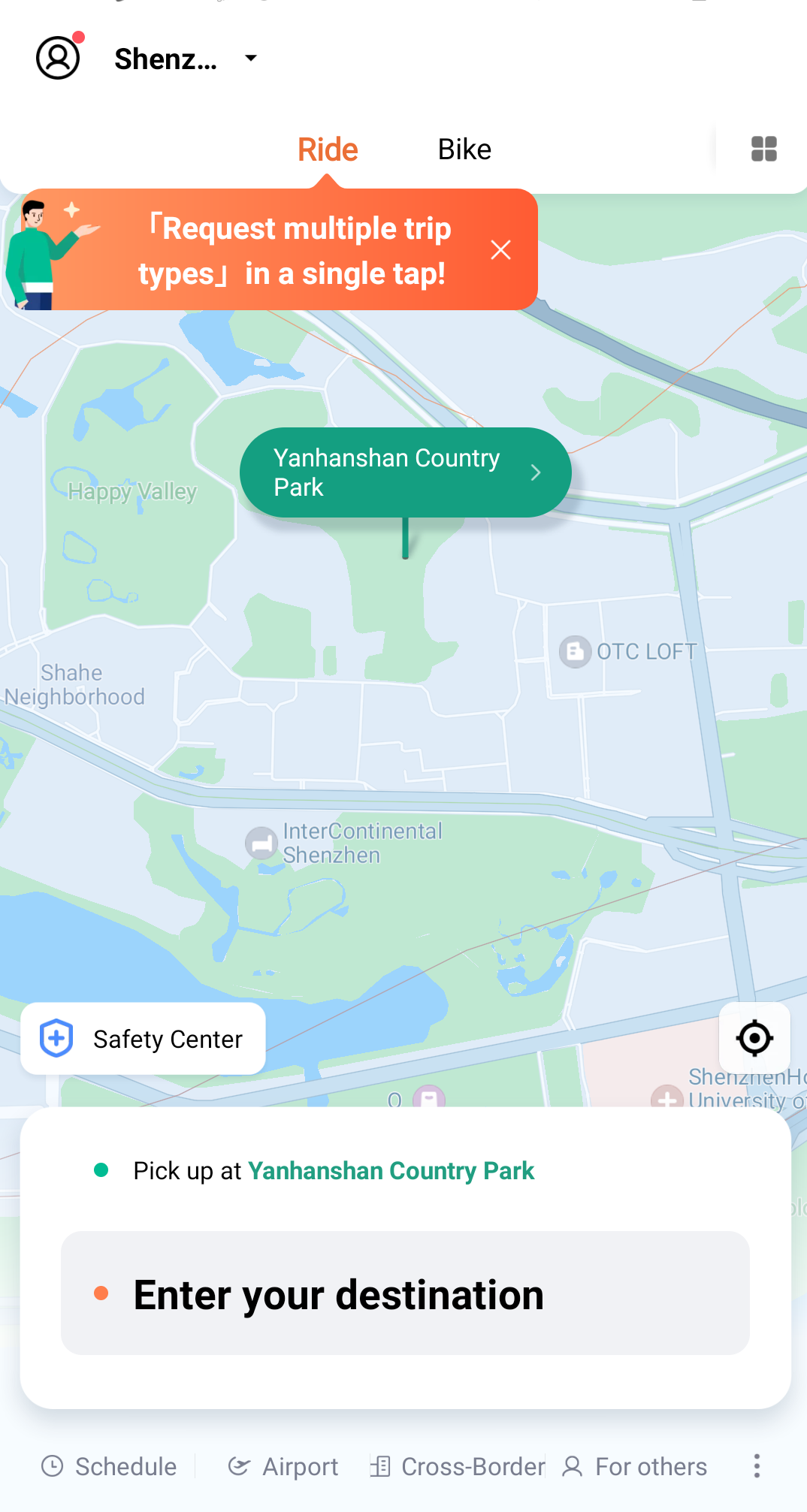
But, in the meantime, Meituan’s app is a good alternative. Just don’t get the Meituan Waimai app. With Meituan, not only can you order food, you can get a taxi through several different services, often cheaper than you could’ve through Didi.
Unfortunately, this app doesn’t speak English. But, if you’ve used a ride-hailing app before, it works similarly. Once that app is set up and connected to your WeChat Pay, you just need to click on the car icon or type “dache” in the search.
It will get your current address through your GPS. You just need to confirm. Then you tell it where you want to go in Chinese. I hope you can type characters! But, after that, just select the price or service you like best and wait for your car to show up and take you where you want to go. No need to actually talk to the driver.
Baidu Maps
I tend to think of this app as “Du” as the name is written in Chinese characters, so I can’t read it, but the logo has “Du” in nice, easy-to-read red letters.
It is the Chinese version of Google Maps. They both share a lot of the same features and functions. It can navigate you from one place to another, but, you have to know a few characters or hope that the pictures show up when you need them to. This app is all in Chinese. And I have yet to find a way to change the language.
However, it does have Google Maps beat in accurate, usable knowledge of stores and restaurants in China, again you do have to know some Chinese, or a good translation program (Google Translate or WeChat’s translation).
Downloading new apps
I didn’t know all the apps I would need before I moved to China. There’s just no way to know everything that I would need for the next 18 months. And some are directly related to my life and work here in China.
Getting new apps for your phone is just a way of life in the age of smartphones.
App stores (or, really just Google’s Play Store)
Because anything and everything related to Google is blocked in China, Google’s Play Store is inaccessible, unless you bought your phone in China, then you have the special Play Store made specifically for Chinese users. Yay, government oversight and monitoring all your activities.
And, because all the Chinese apps have their own Play Store, they rarely show up in the regular Play Store that I have access to with my Western phone. I have to either go to Hong Kong, with its free and open internet, which I can’t do right now (thanks, pandemic!), or use a VPN to trick everyone into thinking I’m somewhere else, anywhere else really, but mainland China.
Apple gave in to China’s demands and gave the government access to whatever it wanted. So, iPhone users don’t have to worry so much about getting new apps. They’re already being spied on and watched.
VPN
As China blocks a lot of the internet, usually called the Great Firewall of China, you need a VPN, which is a thing that can get around the Firewall, if you want access to the whole internet.
If you are just coming to China for a short vacation, you don’t need to get a VPN, the good ones that can around China’s restrictions aren’t free. However, if you plan on living in China for a while or can’t go without Facebook, Twitter, or any of the other blocked sites, a VPN is a very good investment.
When looking at getting a VPN, make sure that it specifically mentions China and there are reviews that say it works in China. Otherwise, it may not work the way you want. Also, not all VPNs that do work here are created equal. Some are better than others.
I’ve been using Surfshark (get a free month if you sign up with this link!). I love that I can choose which country to pretend to be in, however, it can be difficult to connect sometimes, but it’s not enough of an issue for me to want to use a different VPN. Most of my coworkers use Astrill and they all love it, but I’m sure it has its own set of issues, too.
If you plan to use a VPN while in China, make sure you download it before you leave. All VPN websites are, of course, blocked here. If, like me, you want to try one or two out to see if they work well, again just download and wait. Most VPNs have a free trial period where you can connect, try it out, and then pay.
Downloading from the website
For Chinese apps, like my bank’s app, I had to download them through their website. However, my phone was not entirely thrilled with the prospect.
To get my phone to download the app, I have to be somewhere with decent internet, turn off my VPN, and pray. So far any time I’ve downloaded something from a website, it’s taken several tries over a few days.
I’m sure someone that understands this better than me could tell me what I’m doing wrong, but, if I poke enough settings for long enough, I can get the app I need.
These are just some of the most used apps I’ve found so far. If you move to China, you’ll probably want a few more apps than if you’re just visiting, such as Mei Tuan and to look at a lot of WeChat’s mini-programs.
What apps do you find the most useful?


 My TEFL Adventure
4 thoughts on “Apps in China”